
No we aren’t talking about Superman…
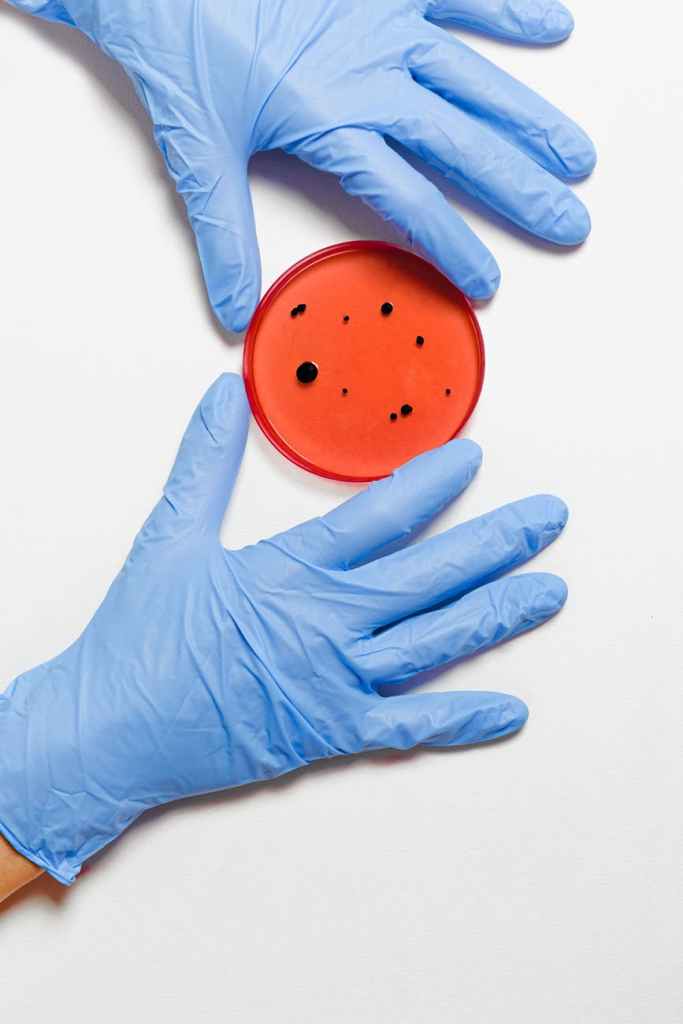
As more bacteria become resistant to antibiotics, it becomes harder and harder to treat the infections these cause. We seem to be using up our powerful antibiotic weapons too quickly, as the time it takes for us to create a new antibiotic is far more than the time it takes for a bacterium to develop resistance. In todays world, we give a name to bacteria that is resistant to the majority of antibiotics that we do have. Superbugs. If we keep using these antibiotics all willy-nilly, then we are going to run into a LARGE problem in the near future. Without treatment, these once easily treatable infections can become extremely dangerous.
A bacterium that cause a diarrheal disease is asdfs. This has been shown to be an emerging, antibiotic-resistant bacterium that has been swept under the rug as a topic of interest since the two other main bacterium that causes diarrhea (C. jejuni and E. coli) are usually the focus subjects. However, a study researching this bacterium found several virulence factors that allow for this bacterium to become resistant. Some of these factors include possessing several SSRs (simple sequence repeats), and the plasticity of its gene encoding porin, adhesion, and main antigen. These factors allow it to undergo rapid antigenic shift as well as have the ability to turn ON/OFF certain genes that may aid it in survival.
Cholera, caused by V. cholera, has also become a topic of interest in antibiotic resistance. With it being endemic in high density, poor places such as India and Haiti, resistance to antibiotics can pose a serious threat to an already fatal bacteria. This can be caused by inappropriate antibiotic prescriptions, over-the-counter availability of antibiotics without a prescription, and noncompliance have increased this antibiotic-resistant occurrence. Many drugs are becoming useless to this bacteria including ampicillin and cotrimoxazole in which studies show approximately 75-100% of bacteria having resistance. With this in mind, some scientists are suggesting a widespread use of the Oral Cholera Vaccine (OCV).

 BLAKE's gram-POSITIVE BLOGterium